

Managing Chronic Pain Without Medication
7 golden steps to manage your chronic pain
I have lived with pain for as long as I can remember, it’s now chronic, it’s never going away.
I have Charcot Marie Tooth disease, a neuromuscular disease that affects the motor and sensory nerves to my arms and legs, you can think of it as having wonky wiring. I also have Ehlers Danlos Syndrome, a connective tissue disorder meaning in simple terms that the glue that holds my body together is too stretchy, like chewing gum. One condition is progressive the other multi-systemic meaning chronic pain and fatigue are common features in both of these conditions.
For generations pain is something that I have tried not to think about, to put to the back of my mind, to push through. I had always been a high achiever, setting myself goals and working hard through school, university then in the world of work, there wasn’t time to bother with the pain and the limitations it placed on me.
As the years rolled by my ability to keep up this fight began to slip away, I was having more periods of chronic fatigue wiping me out for months and pain that would consume me. It has not been uncommon for me to collapse, physically unable to put one foot in front of the other. My health had already robbed me of me career as a teacher. Then in a gradual process, that to the untrained eye may even remain unseen, my life became more and more difficult. I never made it out in the evening with friends and even taking the children to the park for half an hour was a huge effort, everything revolved around the pay off and the pain that the task would bring and life began to get smaller and smaller.
I decided to fight back but in a different way, this was an active choice for me. It was only at this point that things started to change. Over the last ten years, in a slow steady process I have made positive steps to cope and to live.
Looking back I can barely recognise the desperation that I felt at that point in my life and the overwhelm that consumed me. I now see what that it is a combination of lots of elements that have allowed me to change and maintain that change over time.

1. Acceptance 

One of the hardest things for me has been acceptance, my chronic pain is something that I would like to get rid of but I can’t, at times it has angered me and made me sad, reflecting I think that’s helped me on this journey. It is part and parcel of EDS and CMT and may get worse over time, I now accept this fact and deal with it. I view pain relief now as a form of control rather than it being a weakness. It is proven that mood and stress all have an impact on pain. So the process of acceptance involved becoming a master of my emotions and my thought processes and letting go things that are not serving me. With this my chronic pain has become easier to manage.
2. Let go of all negativity
I have learnt to let go of negativity. Some people won’t understand the pain that I live with or how it impacts everyday on my life. This used to bother me a lot, especially when a family member didn’t have a clue and did not want to take the time to learn but would be quick to judge, dis-believe or offer advice. Or when someone would give me ‘poor you’ sympathy when I know full well they really didn’t care. I can’t say that I am totally immune to their comments, I’m human after all but I am learning to let go and to focus on what is important, life is too short. You do not have a control over other people but you absolutely have a choice over how you respond to them. It strengthened my relationships with people around me that are important and allowed me to see which relationships were not serving me and let go.
3. Empowerment through learning
Empowerment came when I made friends with my illness. When I was first diagnosed I didn’t want anyone to know about it, I wanted to be normal, the same as everyone else. I went through a long grieving process. I grieved for the things I knew I would loose and where my illnesses would impact. This took time. Now I can talk to anyone about these conditions and enjoy sharing my experiences with others, EDS and CMT are part of me and that’s fine.
I have learnt about my conditions in order to manage them, reading, networking and attending conferences have all enabled me to understand why I have my symptoms and the correct ways to manage them, it’s made a huge difference. Facebook has been an amazing source of information but I steer clear of the ‘poor me’ Facebook groups about my conditions where people seem hell bent on competing to have the worst symptoms, as I believe that is not a healthy narrative. Where there is support, great… learn, take what you need and move on. You are more that your illness and spending too much time online in un-supporting environments can be counter intuitive.
4. Strength through exercise
I’ve got moving, I regularly attend Pilates classes, I brought a dog so that I have to walk every day (although as he ages and my knee is failing, neither me nor the dog can manage to walk most days) and I do resistance training most days even if it’s just 5 minutes. In the past I have driven to a Pilates class (on more than one occasion I might add), parked up outside and sobbed. Part of me knew that I must push myself to go in, to get stronger, to get better but I didn’t have the energy to get out of the car and walk through the door, I would drive home defeated.
There is a balance to be found between being doing too much and doing too little, both are counter productive, it is important to build strength at a steady pace so that you can maintain it. Slowly, the stronger that I have become, the less falls I have and the more confidence I have gained and I don’t visit that rock bottom place so much now. I feel proud of what I have achieved. When a trusted consultant reviewed my history and surgeries they were genuinely surprised at how mobile I was, that I should be pleased I was not using a wheelchair.
When you exercise, your body releases chemicals called endorphins. These endorphins interact with the receptors in your brain that reduce your perception of pain. Endorphins also trigger a positive feeling in the body, similar to that of morphine… so a win, win for pain.
5. Coping strategies
One of my friends commented how vague I am when making arrangements. She was envious at my laid back nature as she always liked to be super organised. Now she realises that I am deliberately vague as I can never predict how I can be feeling from one day to another and that way I don’t have to cancel plans if I can’t make it. I type instead of writing, we have installed a zip tap so I don’t need to lift a kettle, I have two handled pans in the kitchen and I have a cleaner. I have developed these coping strategies without even realising it over time.
I have learnt to set boundries in my life without feeling guilty about it and to focus on what I need and want leaves me more time and energy for the people that I love. This new way of looking at my life took work, but ultimately I am showing my children that they need to value themselves too.
Don’t underestimate the power of lots of small interventions, they can make big difference.
6. Pacing, pacing, pacing
 Changing my mindset did not happen overnight. I rebelled. With a busy family I thought that the only way to
function was to push, push, push but I realised that it made the crashes more severe. Feeding into the boom and bust cycle only serves to increase pain over time, once I understood this and could see the benefits that change could offer and it became easier to implement. Pacing my day activities to stop feeding into the pain is my most effective way to manage long term.
7. Focus on the good
Have you ever been buying a new car? You see that car everywhere don’t you? The same happens with your illness. The more focus you give to the negative elements of your condition, the pain, fatigue, the loss, what is hard for you now, the more you will see evidence for those things. The subconscious mind likes to send you evidence for the things that you are thinking about.
I try to focus not on what pain takes from me but what it has given to me, the relationships that have been strengthened, confidence, positivity, empathy and my ability to not sweat the small stuff.
To Sum Up
I love to give back, at first this involved writing and sharing our families story with the world @Mystripylife about living with these often mis-understood and under diagnosed conditions. I love to speak at events to raise awareness. The catalyst was always to raise awareness and make things a little different for my children as they grow and embark on their own journeys with varying degrees of symptoms from CMT, EDS, PoTS and ME.
This has grown into undertaking training as an Master coach to support others on their journey and empower them to live chronically well. I give them the ability to laugh, to see the beauty in every day, recognise their needs and values and how they may have changed, re-discover who they are and what they love, find balance with their health, work, family and life and always know that whatever life brings happiness is a choice.
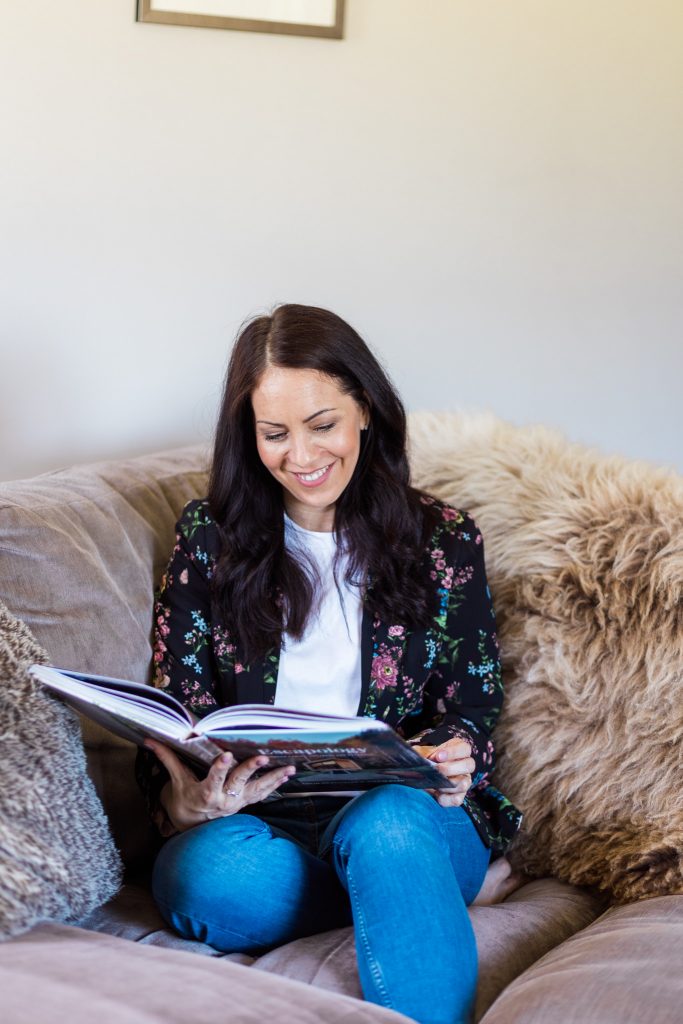
Let’s chat
If you want to talk about how life and chronic illness coaching could support you to increase self- awareness and acceptance of your chronic health condition and manage pain better so that you can live well and achieve more. Then get in touch.
Use the button below to schedule your free 30 min introductory call with Sarah.




Keep on writing, great job!
These seven golden rules of living with chronic illness are so true and reassuring. Having Ehlers Danlos Syndrome Hypermobile as you know is unpredictable and unrelenting but I am slowly coming around to several of your insights. Of course pacing is always hard when you’re a wife, mother and registered nurse, however I am learning to love myself for who I am right now and enjoy this new life. Thanks friend.
I love this Amy. Now is what you have, then the future can be whatever you want it to be. I am so pleased that this is beginning to help you, working on my mindset towards my chronic illness has been life changing for me. Sarah x